
Pink Eye vs. Allergies: How to Tell the Difference
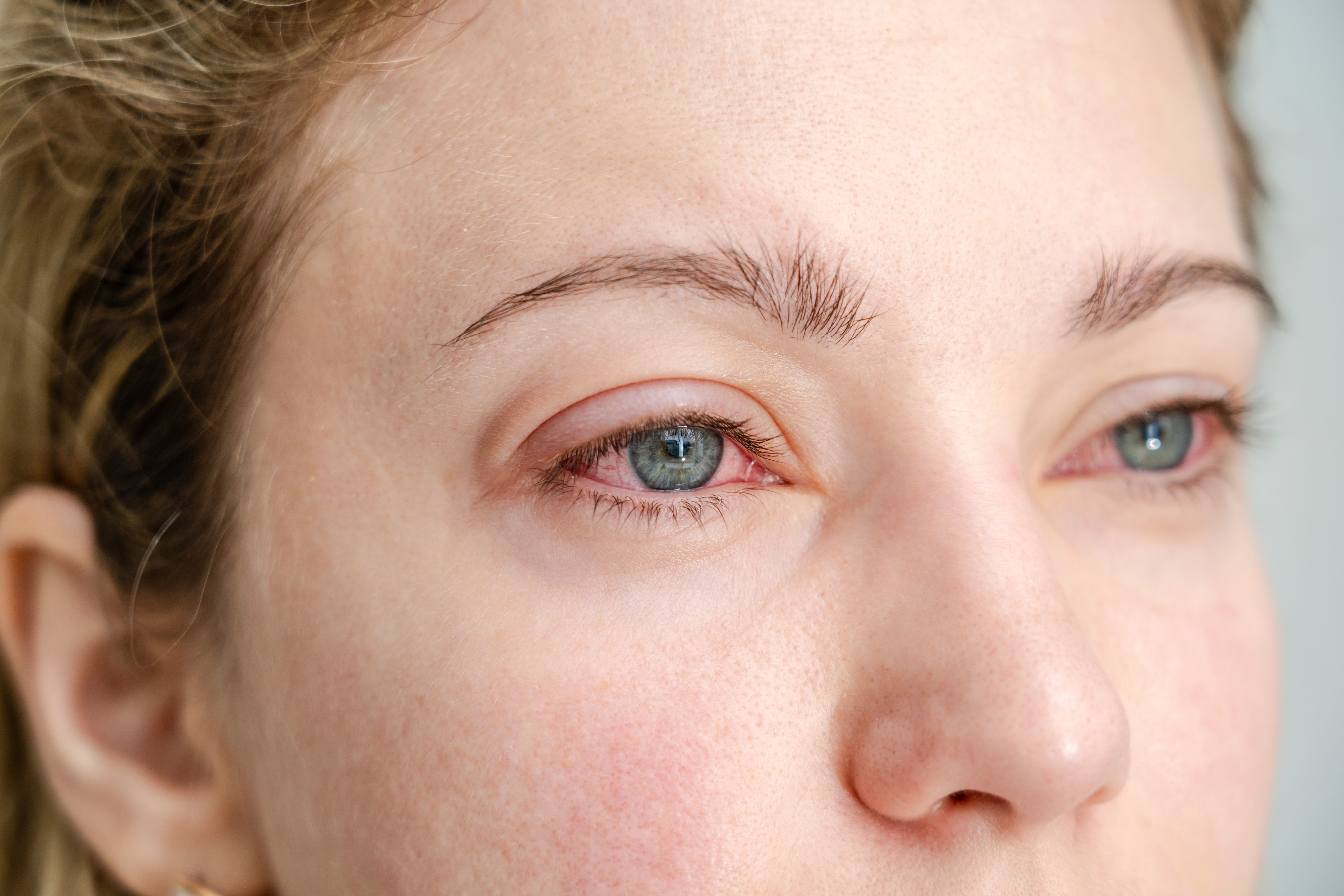
Red, irritated eyes are uncomfortable - and confusing. Is it pink eye, or is it just allergies acting up again? While the symptoms can look similar, pink eye and eye allergies have very different causes and treatments. Knowing the difference can help you protect your vision, avoid spreading infection, and get the right relief faster.
What Is Pink Eye?
Pink eye, also called conjunctivitis, is an inflammation of the conjunctiva - the thin, clear tissue covering the white part of the eye and the inside of the eyelids. Pink eye can be viral, bacterial, or irritant-related, and some forms are highly contagious.
Common Symptoms of Pink Eye
• Red or pink appearance in one or both eyes
• Thick discharge that may be yellow, green, or white
• Crusting on the eyelids or lashes, especially after sleep
• Gritty or burning sensation
• Swollen eyelids
• Tearing
• Sensitivity to light
Pink eye often starts in one eye and may spread to the other. Bacterial conjunctivitis typically causes thicker discharge, while viral pink eye often comes with cold-like symptoms such as a sore throat or runny nose.
What Are Eye Allergies?
Eye allergies (allergic conjunctivitis) occur when your eyes react to allergens like pollen, pet dander, mold, or dust. Unlike pink eye, allergies are not contagious.
Common Symptoms of Eye Allergies
• Itchy eyes (this is the biggest clue)
• Redness in both eyes
• Watery eyes
• Puffy or swollen eyelids
• Clear, thin discharge
• Sneezing or nasal congestion
Allergy symptoms usually affect both eyes at the same time and often appear during allergy seasons or after exposure to a known allergen.
Why an Accurate Diagnosis Matters
Getting the right diagnosis is essential for effective treatment and fast relief. For instance, antibiotic eye drops are ineffective for allergic conjunctivitis or viral pink eye and won’t provide relief in those cases. On the other hand, untreated bacterial pink eye can linger longer than necessary and may spread easily to others. Our eye doctor can accurately identify the cause of your symptoms and recommend the most appropriate treatment to protect your eye health.
When Should You See an Eye Doctor?
You should schedule an eye exam if you experience eye pain, sensitivity to light, or changes in your vision such as blurriness. Thick or colored discharge, symptoms that worsen or fail to improve after a few days, or noticeable redness in a child’s eye are also important warning signs. These symptoms may indicate pink eye or another eye condition that requires prompt professional care.
Get the Right Treatment at Swan City Eye Care
While pink eye and allergies can look alike, key differences - such as itching, discharge, and whether symptoms affect one or both eyes - can help you tell them apart. Pink eye is often contagious and may require medical treatment, while allergies are triggered by environmental factors and usually respond to allergy management. When in doubt, it’s always best to have your eyes evaluated by a professional. Our optometrist can accurately diagnose your symptoms and create a treatment plan tailored to your needs.
If you’re dealing with red, itchy, or irritated eyes and aren’t sure whether it’s pink eye or allergies, Swan City Eye Care is here to help. Visit our office in Lakeland, Florida, or call (863) 323-7525 to book an appointment today.
Quick Links
Helpful Articles
article_category: products
article_category: psychiatry
article_category: faqs
article_category: cats
article_category: general
article_category: services
article_category: technology
article_category: dogs
article_category: restorative
article_category: vision therapy
article_category: contact lenses
article_category: health
article_category: conditions
article_category: eye surgery co-management
article_category: exotic
article_category: cosmetic
article_category: surgical procedures
article_category: aesthetics
article_category: preventative
article_category: ocular disease management
article_category: eyeglasses
article_category: eye health
article_category: large animal
[]
article_category: psychiatry
article_category: faqs
article_category: cats
article_category: general
article_category: services
article_category: technology
article_category: dogs
article_category: restorative
article_category: vision therapy
article_category: contact lenses
article_category: health
article_category: conditions
article_category: eye surgery co-management
article_category: exotic
article_category: cosmetic
article_category: surgical procedures
article_category: aesthetics
article_category: preventative
article_category: ocular disease management
article_category: eyeglasses
article_category: eye health
article_category: large animal
[]
Flowbite is an open-source library of interactive components built on top of Tailwind CSS including buttons, dropdowns, modals, navbars, and more.
Check out this guide to learn how to get started and start developing websites even faster with components on top of Tailwind CSS.

All Eyecare Services
We offer a wide variety of eye care services to the Lakeland community. Contact us with any questions about our services.

Keep In Touch
For non-urgent questions or to learn more about our services, contact us today!

Quick Links
Our Services
Contact Info
- 6631 South Florida Ave., Unit 2
Lakeland, FL 33813 - Call or Text: (863) 323-7525
- Fax: (863) 323-7524
Hours of Operation
- Monday 9:00am - 5:00pm
- Tuesday 10:00am - 6:00pm
- Wednesday 9:00am - 5:00pm
- Thursday 9:00am - 5:00pm
- Friday Closed
- Saturday 8:00am - 12:00pm
- Sunday Closed
- Monday 9:00am - 6:00pm
- Tuesday 9:00am - 6:00pm
- Wednesday 9:00am - 6:00pm
- Thursday 9:00am - 6:00pm
- Friday 9:00am - 6:00pm
- Saturday 10:00am - 2:00pm
- Sunday Closed
- Monday 8:00am - 5:00pm
- Tuesday
- Wednesday
- Thursday
- Friday
- Saturday
- Sunday
© 2026 Swan City Eye Care. All rights Reserved - Accessibility Statement - Privacy Policy - Sitemap
Managed and Designed by 